
NEWS
News Releases

Washington, D.C. –– Members of the International Bottled Water Association (IBWA) were on Capitol Hill recently, meeting with Members of Congress and their staff to discuss a range of critical industry issues including recycling, healthy hydration, and labeling. The meetings are part of IBWA’s ongoing efforts to engage policymakers on issues affecting the bottled water industry and the millions of Americans who rely on bottled water every day.
Among the top priorities is advancing bipartisan federal recycling legislation that would strengthen America’s recycling infrastructure nationwide. IBWA members are urging lawmakers to support the Recycling Infrastructure Accessibility Act (RIAA), which recently passed unanimously out of the House Committee on Energy and Commerce following a markup. The legislation also integrates provisions from the Recycling and Composting Accountability Act (RCAA) and is designed to expand recycling access, strengthen and improve recycling data collection across the country.
IBWA has long championed the STEWARD Act of 2025, which contains identical language to the RIAA and passed the Senate late last year. Today’s Hill visits build on that momentum, with industry leaders pressing for swift action by the full House of Representatives.
IBWA President and CEO Matt Herrick released the following statement:
“IBWA commends committee leadership and the many bipartisan cosponsors for elevating this issue as a national priority, and we urge the full House to pass this bill in the coming weeks to bring transformative recycling solutions to consumers across the country. This bill expands access, improves infrastructure, and strengthens accountability in recycling programs—commonsense steps that will make a meaningful difference on the ground.”
— Matt Herrick, President & CEO, International Bottled Water Association
In addition to recycling infrastructure, IBWA members highlighted the importance of expanding access to healthy, affordable hydration options for consumers across the country in alignment with federal nutrition guidance.
“Water plays a critical role in supporting health and wellness. We look forward to working with policymakers and stakeholders to expand access to healthy, affordable hydration options and encourage Americans to choose water first,” said Herrick.
IBWA continues to support efforts to promote healthy hydration as a National Strategic Partner for the Dietary Guidelines for Americans (DGAs). This work is part of the public–private effort led by the U.S. Department of Agriculture (USDA) and the U.S. Department of Health and Human Services (HHS) to advance the DGAs and evidence-based recommendations that encourage healthy beverage choices such as water.
IBWA’s meetings with policymakers today, reflect the association’s ongoing commitment to engaging Congress on issues that affect the bottled water industry and the millions of consumers who rely on it.
For more information about bottled water, visit IBWA’s website: www.bottledwater.org.
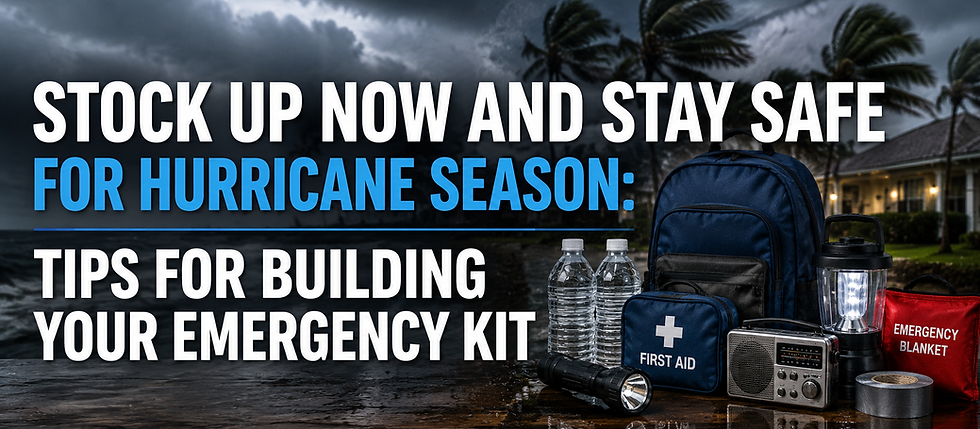
ALEXANDRIA, VA — The Atlantic hurricane season runs June 1 through November 30, making right now the best time to prepare your family’s emergency kit.
The International Bottled Water Association (IBWA) is encouraging families, especially those in coastal and hurricane-prone communities, to check their emergency kits now and make sure they have an adequate supply of safe drinking water on hand.
The National Oceanic and Atmospheric Administration (NOAA) is forecasting a below-normal 2026 Atlantic hurricane season, predicting a range of between 8 - 14 named storms, and only 3-6 of them expected to become hurricanes, which is lower than historical averages. While this is encouraging news, NOAA and emergency management experts consistently remind the public that it only takes one storm to upend a community — and preparation saves lives.
“Choosing water first to meet your daily hydration needs is always a smart decision, and during hurricane season, it’s an essential one,” says Matt Herrick, IBWA president and CEO. “Don’t wait until a storm is on the way to check your supplies. Stock your emergency kit with bottled water now, while skies are clear, so you’re already prepared when it matters most.”
Why Bottled Water Belongs in Every Emergency Kit
When hurricanes and major storms hit, tap water systems are often among the first things to fail. Power outages, pipe damage, and flooding can quickly make tap water unsafe to drink. Bottled water — sealed, tested, and ready to go — is the safest and most reliable drinking water option when the unexpected happens.
The Federal Emergency Management Agency (FEMA) recommends commercially produced bottled water as a cornerstone of any emergency kit and advises storing it in its original sealed container in a cool, dark place.
How Much Water Do You Need?
FEMA recommends storing at least 1 gallon of water per person, per day for a minimum of several days, for drinking and sanitation. Keep these factors in mind when calculating your family's needs:
-
Children, nursing mothers, and anyone who is ill may need more than the minimum amount.
-
Medical needs can require extra water for medications, wound care, and hygiene.
-
Hot climates and summer heat can double a person's daily water requirement.
Take 10 Minutes Today
"There's no better time to check your emergency supplies than right now, when there's no storm bearing down," says Herrick. "Make sure you have enough bottled water, food, and other essentials to keep your family safe and comfortable for several days."
The bottled water industry has a long track record of stepping up during disasters, working closely with the American Logistics Aid Network (ALAN) to donate millions of gallons of safe drinking water each year to communities in need. "When emergencies happen, the bottled water industry is always there," Herrick adds.
To learn more about the role of bottled water during emergencies, watch: "Bottled Water: Always There When You Need It."
visit www.bottledwater.org.

Efforts aim to strengthen treatment access, federal investment
LISLE, Ill. – The Water Quality Association applauds bipartisan efforts in the U.S. Senate to advance legislation that will strengthen federal investments in drinking water and expand access to proven water treatment solutions for families across the country.
The Senate Environment and Public Works Committee on July 15 unanimously approved the Drinking Water and Wastewater Infrastructure Act of 2026. The bipartisan legislation reauthorizes key drinking water and wastewater investment programs under the Safe Drinking Water Act and Clean Water Act and includes a new pilot authority allowing point-of-use (POU) water treatment technologies to help address drinking water challenges in communities across the U.S.
“Certified water treatment technologies are already helping millions of Americans reduce exposure to contaminants such as lead and PFAS,” said WQA Strategic Affairs Officer Richard Mest. “This pilot will help demonstrate how these solutions can complement traditional infrastructure investments and deliver safe drinking water more quickly in communities facing urgent challenges.”
Calling the bill, “one of the most significant steps forward for drinking water policy in years,” Mest said it “recognizes that protecting public health requires both continued investment in our nation’s water infrastructure and innovative solutions that can deliver safe drinking water to communities today. Reauthorizing these critical programs provides communities with the certainty they need to continue investing in modern water infrastructure while embracing innovative solutions that can improve water quality today.”
The Senate’s action follows introduction of the Agriculture Act of 2026 by the Senate Agriculture Committee, which includes the bipartisan Healthy H2O Act. The legislation would establish a new U.S. Department of Agriculture Rural Development grant program to help rural households and licensed childcare facilities served by private wells or small community water systems test and treat their drinking water.
The House of Representatives already passed its own version of the Farm Bill – which included a modified version of Healthy H2O – in May.
“The Healthy H2O Act addresses a critical gap for rural families who often lack access to the same drinking water protections available to customers of larger public water systems,” Mest said. “By helping households identify and address drinking water contamination, this legislation will improve public health while providing practical, targeted assistance where it is needed most.”
Healthy H2O originated from a WQA task force. and more than 40 organizations have joined WQA in publicly supporting the bill, including the U.S. Chamber of Commerce, the Rural Community Assistance Partnership, National Ground Water Association, International Association of Plumbing and Mechanical Officials, International Code Council, Water Systems Council, NSF International and DigDeep.
Mest said, “We are grateful to Senators Susan Collins and Tammy Baldwin for their leadership in championing the Healthy H2O Act, along with the members of the Senate Agriculture Committee and all of the bill’s bipartisan supporters. Their work demonstrates that protecting drinking water remains an issue that brings Americans together.”
He added, “From investing in aging infrastructure to expanding access to effective water treatment technologies, Congress has an opportunity to make meaningful progress on improving drinking water quality nationwide. WQA looks forward to working with lawmakers to advance these bipartisan initiatives and ensure every American has access to safe, reliable drinking water.”
WQA Technical Affairs Director Eric Yeggy offers five quick tips on ensuring quality drinking water during flooding or when power outages affect filtration systems.
Greene Concepts Announces Be Water Coming Soon to Amazon
MARION, NORTH CAROLINA / ACCESS Newswire / February 17, 2026 / Greene Concepts, Inc. (OTCID:INKW), owner and operator of a 60,000-square-foot bottling facility in Marion, North Carolina, and producer of the premium artesian spring water brand Be Water™, announced that Be Water will soon be available on Amazon, expanding national access to its American artesian spring water.
With its expansion onto Amazon, the Company aims to provide consumers nationwide access to naturally mineralized American spring water positioned between high-end imported and mass-market bottled water offerings.
As consumers increasingly look beyond labels and toward origin transparency, Be Water enters Amazon with a fundamentally different approach to bottled water: beginning underground, not in a processing facility.
Be Water is drawn from a deep artesian aquifer formed nearly 500 million years ago beneath North Carolina’s Blue Ridge Mountains. The water rises naturally under artesian pressure and is filtered slowly through layers of ancient bedrock before reaching the surface. This geological filtration process defines the water’s balance and character long before bottling occurs.
Because the water is formed naturally, the Company focuses less on reconstruction and more on source protection.
“Many bottled waters are engineered after collection,” said Lenny Greene, President and CEO of Greene Concepts, Inc. “Be Water is shaped underground. Our responsibility is stewardship – withdrawing only what the aquifer naturally replaces so the source remains viable long into the future.”
As the water travels through dense bedrock, it absorbs naturally occurring minerals including calcium, magnesium, and silica, contributing to its smooth taste and natural alkalinity. Once at the surface, Be Water undergoes gentle filtration and ozone treatment to ensure purity – with nothing added and nothing stripped away.
Unlike much of the bottled water category – where products may rely on municipal sources or extensive post-processing – Be Water emphasizes long-term aquifer balance and responsible source management.
What Defines Be Water
• American spring water sourced from artesian aquifer formations
• Naturally filtered through ancient bedrock
• Naturally occurring minerals – calcium, magnesium, and silica
• No added minerals and no stripping of inherent character
• Bottled at the source in Marion, North Carolina
• Durable 22-gram BPA-free packaging
• Premium positioning with accessible pricing
Be Water is currently available through select national retailers, including select Walmart locations, Walmart.com, and Camping World, and will be available soon on OneLavi and Amazon, with continued national expansion underway.
The Company believes that expanding into major digital marketplaces enhances national scalability while reinforcing its position between luxury imported and mass-market bottled water brands.
About Be Water™
Be Water is an American artesian spring water brand bottled at the source in Marion, North Carolina. Its artesian source is gently filtered and ozone-treated to ensure purity while preserving its inherent character – with nothing added and nothing stripped away. Nature – not machines – defines its purity and balance.
Be Water reflects American craftsmanship, transparency, and responsible aquifer stewardship while bridging the gap between imported premium waters and everyday bottled water products.
In addition to its flagship brand, the Greene Concepts bottling facility provides private-label and co-packing services for select beverage partners.
Learn More About Be Water™ Products
Follow Greene Concepts, Inc. on Social Media at: X – @GreeneConcepts, Facebook – @inkw2025, Instagram – Greene Concepts, Inc. and Be Water
CONTACT:
Greene Concepts, Inc.
Investor Relations
SOURCE: Greene Concepts Inc.
View the original press release on ACCESS Newswire
Categories: US & World News

Nestlé presses ahead with bottled water carve-out as private equity circles €5bn business
Nestlé is moving forward with plans to sell a stake in its bottled water division, setting up one of the food and beverage industry’s most closely watched carve-outs as private equity firms line up to back a business housing premium brands such as Perrier and S.Pellegrino, Bloomberg reported.
The Swiss food group has invited first-round bids this month for the water unit, valued at around €5 billion, according to sources, with Rothschild advising on the transaction.
The sale would mark a major step in Nestlé’s broader effort to refocus its portfolio and restore confidence following a turbulent period marked by regulatory scrutiny and reputational challenges.
Buyout firms including PAI Partners, Blackstone, KKR, Bain Capital and Clayton Dubilier & Rice have expressed interest, Bloomberg previously reported. Banks are preparing between €2 billion and €3 billion of debt financing to support a potential deal, structured as leveraged loans in euros and dollars, the sources said.
The financing would equate to roughly four to six times the unit’s estimated €500 million in earnings before interest, tax, depreciation and amortisation – a level that underscores both the strength of the underlying brands and the willingness of private equity to lean into consumer staples assets as dealmaking rebounds.
Nestlé announced in late 2024 that it would separate its water business, long viewed by investors as a non-core asset relative to its faster-growing nutrition, health and premium food categories.
Momentum around the sale has picked up following a leadership reset that saw Philipp Navratil appointed chief executive in September.
The deal highlights how even globally recognised beverage brands are being reassessed amid rising environmental and regulatory pressures. Bottled water producers face intensifying scrutiny over plastic use, water sourcing and sustainability claims – risks that investors are factoring into valuations.
Nestlé’s water division has also been under pressure after the company acknowledged in 2024 that it had used filtration methods not permitted for natural mineral waters in parts of its portfolio, while the group continues to manage a separate infant formula contamination crisis.
Despite those challenges, bankers involved in the process say the water unit remains an attractive asset, anchored by premium brands with global distribution and pricing power
Bottled Water Market Trends: Eco-Friendly Bottles, Smart Labeling & Industry Outlook to 2034
by Andrew Sullivan, market research specialist
Growing health awareness, concerns about water contamination, and the shift away from sugary beverages are fueling the bottled water market, complemented by convenience factors, premiumization trends, and eco-friendly packaging innovations. According to IMARC Group's latest data, the global bottled water market size was valued at USD 288.8 Billion in 2025. Looking forward, IMARC Group estimates the market to reach USD 498.4 Billion by 2034, exhibiting a CAGR of 6.06% from 2026-2034.
Bottled water now represents a massive global industry with steady expansion driven by rising health consciousness, busy urban lifestyles, and growing concerns about tap water quality in many regions. The market is experiencing robust demand across multiple segments including still water, sparkling water, mineral water, and functional waters enriched with vitamins and electrolytes. Consumer preferences are shifting toward premium brands, sustainable packaging solutions, and products with transparent sourcing and clean labels. E-commerce platforms, retail innovation, and expanding distribution networks are making bottled water more accessible than ever.
Bottled Water Market Growth Drivers:
-
Rising Health Consciousness and Hydration Awareness
People everywhere are making healthier beverage choices, moving away from sodas and sugar-loaded drinks toward clean hydration options. This shift is particularly visible among fitness enthusiasts and wellness-focused consumers who recognize the importance of proper hydration for overall health. According to the International Bottled Water Association, Americans consumed an average of 46.5 gallons of bottled water per person compared to just 36 gallons of soda, marking a significant preference shift. The trend is amplified by growing concerns about obesity, diabetes, and other lifestyle diseases linked to high-sugar beverages, making bottled water an obvious go-to choice for health-conscious individuals. -
Water Quality Concerns and Infrastructure Challenges
Contamination issues and deteriorating water infrastructure are pushing consumers toward bottled alternatives as a safer bet. According to Water.org, roughly 2.2 billion people worldwide lack access to safe, drinkable water, highlighting a massive gap that bottled water helps fill. Even in developed regions, periodic water quality alerts, aging pipes, and concerns about contaminants like lead or chemicals drive people to trust branded bottled water. This is especially pronounced in rapidly urbanizing areas of Asia-Pacific and Africa where municipal water systems struggle to keep pace with population growth, creating sustained demand for reliable bottled water sources.

ASBWA Announces New Member Benefit: Partnership with Delta Administrative Services
The ASBWA Board of Directors is pleased to announce an exciting new member benefit — a partnership with Delta Administrative Services, a trusted provider of Human Resources solutions for businesses nationwide.
Founded in 1968 and headquartered in Metairie, Louisiana, Delta serves clients in over 40 states, helping small and mid-sized businesses manage their HR needs efficiently and effectively.
A Comprehensive HR Partner
As businesses grow, HR responsibilities can quickly exceed internal capacity. Delta Administrative Services offers a complete suite of solutions designed to streamline operations, reduce risk, and improve employee satisfaction — all through a single, trusted partner.
Their services include:
-
Payroll and Tax Administration
-
Access to Large-Company Benefits for Small Employers
-
Human Resources Consulting and Administration
-
Workers’ Compensation, Risk Management, and Safety Administration
-
Benefits Administration
By partnering with Delta, ASBWA members can gain access to the tools, expertise, and resources typically available only to larger organizations — improving efficiency, compliance, and employee retention. Delta’s proactive consulting approach helps businesses anticipate challenges, manage risks, and maintain full legal compliance.
Support for ASBWA
In addition to providing these valuable services to members, Delta Administrative Services will also provide ongoing financial support to ASBWA, based on member participation in their programs. This partnership not only benefits your business but also strengthens the association as a whole.
Connect with Delta
ASBWA’s dedicated Delta representative, Vance Adams, will be reaching out to members in the coming weeks to discuss how Delta can support your company’s HR and administrative needs. When Vance contacts you, we encourage you to take the opportunity to learn about the many benefits available to you, your employees, and your association.
Members who wish to connect directly can reach Vance at:
📞 504-343-6773
📧 Vadams@DeltaPEO.com
Join Us in Doing Business with a Member
ASBWA thanks all members for their continued support and participation. Together, partnerships like these allow us to expand valuable benefits and strengthen our community.
For more information, contact ASBWA at susan@asbwa.org or visit asbwa.org.
